
26 May 2026
Mortgage Types Explained
A bite-sized guide to the residential and letting mortgage types.
Learn more
Mortgage Types Explained

Sam Naylor Head of Mortgage and Protection
When most people buy a home, their focus is understandably on getting the keys, securing the right mortgage and making the numbers work. But far fewer stop to consider a different question: what would happen if illness, injury or redundancy affected their ability to keep up with their mortgage repayments and household bills?
Financial resilience isn’t about expecting the worst. It’s about being prepared for life’s uncertainties and having a plan in place if circumstances change. Just as we insure our homes and cars, it’s worth considering how we protect our income, our family and our financial future.
As a mortgage advisor, I often speak to homeowners who have carefully planned how to buy a property but haven’t thought about how they would manage financially if their income suddenly stopped. Building financial resilience starts with understanding the risks and knowing what options are available to help protect you.
One of the first things to understand is what support would be available if illness or injury prevented you from working. While some employers offer enhanced sick pay schemes, others provide statutory sick pay only. Knowing how long your employer will continue paying you, and how much you would receive, is an important starting point.
Statutory sick pay is currently £123.25 per week for up to 28 weeks (https://www.gov.uk/statutory-sick-pay). For many people, that wouldn’t come close to covering mortgage repayments, household bills and other living costs.
For limited company directors, there can be additional considerations. Beyond your own income, it’s important to think about whether the business could continue operating profitably if you were unable to work for an extended period. Even if the business can continue paying your salary for six months, what happens after that?
Please note that the links above direct you to third‑party sites. Neither TC Mortgages Limited nor HL Partnership Limited are responsible for the accuracy of the information contained within them.
A serious or critical illness can have both an emotional and financial impact. Whether it’s a diagnosis affecting you, your partner or your children, time is often needed for appointments, treatment, recovery and family responsibilities.
There may also be additional costs to consider, such as childcare, home adaptations, carers or private medical treatment. During an already challenging time, the financial pressure of maintaining mortgage payments and day-to-day living expenses can create further stress.
Redundancy can create uncertainty, even for those with strong career prospects. There is often a gap between leaving one role and starting another, and finding a new position can take longer than expected.
Even if a new role is secured quickly, it may not provide the same level of income immediately.
Having financial protection in place can help provide stability during these periods of transition.
Financial resilience isn’t about preparing for every possible outcome. It’s about understanding which risks could have the greatest impact and making informed decisions about how you protect yourself and your family.
Life Cover is designed to provide a lump sum payment in the event of death. Depending on your circumstances, this can be used to repay a mortgage, provide financial support to a family member, or help a business manage the loss of a key individual.
Whilst types of term assurance policies include Terminal Illness cover, this is not a replacement for Critical Illness cover.
For business owners, protection arrangements can also help provide funds to replace a key person or enable remaining shareholders to purchase shares following the death of a business owner.
Types of policies:
Critical Illness Cover provides a lump sum payment following the diagnosis of a specified serious illness. The funds can be used for whatever support is needed most, whether that’s reducing mortgage debt, making changes to the home, funding treatment or helping meet everyday living costs while you focus on recovery.
Products vary significantly, with different levels of cover and additional benefits available, making it important to understand what protection is right for your circumstances.
For many people, their income is their most valuable asset. Income Protection is designed to provide a regular monthly benefit if illness or injury prevents you from working. Income Protection policies will pay out until the end of the benefit period, until you are able to return to work, or on death of the policy holder.
Depending on the policy, payments can continue for a defined period or potentially until retirement age.
For employed individuals, Income Protection can be aligned with workplace sick pay arrangements to help create continuity of income.
For directors and business owners, there may be additional options depending on how income is structured and how the business operates, including the protection of salary and dividends (and in some cases, even the salary and dividends of a spouse.)
For Limited Company Directors, we also can consider Executive Income Protection which also includes National Insurance and Pension Contributions. To be eligible, it’s often required that the business is able to continue to trade if you’re unable to work. For smaller limited businesses, Personal Income Protection may be a more suitable option.
It’s good to note that Income Protection policies will not cover redundancy.
Some short-term protection plans include cover for redundancy. These policies can provide regular payments for a limited period, helping homeowners continue meeting mortgage commitments and other essential financial obligations while they secure their next role.
Accident and Sickness policies can provide smaller lump sum payments following accidental injuries, hospital stays or fractures. These policies can help provide additional financial support when unexpected circumstances arise.
One of the biggest misconceptions about protection is that it’s something to think about later. In reality, resilience is built before it’s needed. By the time illness, injury or redundancy occurs, your options may be more limited.
Protecting your financial future isn’t about dwelling on worst-case scenarios. It’s about creating confidence that if life takes an unexpected turn, you have plans in place to help protect your home, your family and your lifestyle.
At its heart, financial resilience is about giving yourself more certainty in uncertain situations.
And that’s a conversation worth having long before you need it.
To discuss further, get in touch with our TC Mortgages team for guidance on protections and insurances.
Please note: This article is for general information only and does not constitute advice.
Should you fail to disclose or misrepresent a fact, then you risk the insurer only paying part of a claim, declining to pay all the claim possibly, declaring the policy invalid
TC Mortgages Limited, trading as TC Mortgages, is an appointed representative of HL Partnership Limited which is authorised and regulated by the Financial Conduct Authority.
TC Mortgages Limited are registered in England and Wales. Registered No: 13850240. Registered Office: 3 Acorn Business Centre Northarbour Road, Cosham, Portsmouth, United Kingdom, PO6 3TH.
Why is financial resilience important for homeowners?
Your mortgage is likely to be one of your biggest financial commitments. If you were unable to work due to illness, injury or redundancy, having financial protection in place could help you continue meeting mortgage repayments and household bills.
Would Statutory Sick Pay (SSP) cover my mortgage repayments?
For many homeowners, Statutory Sick Pay alone may not be enough to cover mortgage payments and everyday living costs. Understanding what sick pay your employer provides can help you assess whether additional financial protection may be worth considering.
What is Income Protection?
Income Protection is designed to provide a regular monthly income if illness or injury prevents you from working. Payments can continue until you return to work, reach the end of the policy benefit period, or retire, depending on the policy chosen.
Does Income Protection cover redundancy?
No. Income Protection policies are designed to cover illness or injury and typically do not provide cover for redundancy. Separate redundancy protection options may be available.
What is Critical Illness Cover?
Critical Illness Cover provides a lump sum payment if you’re diagnosed with a specified serious illness. The money can be used however you need it, whether that’s helping with mortgage payments, funding treatment, adapting your home or supporting day-to-day living costs.
Is financial protection only something I need later in life?
Many people think protection is something to consider later, but it can often be more effective to put plans in place before they’re needed. Once illness, injury or redundancy occurs, your options may be more limited.
Ready to take the next step? Fill out the form below and let TC Mortgages help you find the right mortgage and protection for your home or investment property.
There may be a fee for mortgage advice. The precise amount will depend upon your circumstances.
*required
This site is protected by hCaptcha and its Privacy Policy and Terms of Service apply.
You might be interested in...
26 May 2026
A bite-sized guide to the residential and letting mortgage types.
Learn more
Mortgage Types Explained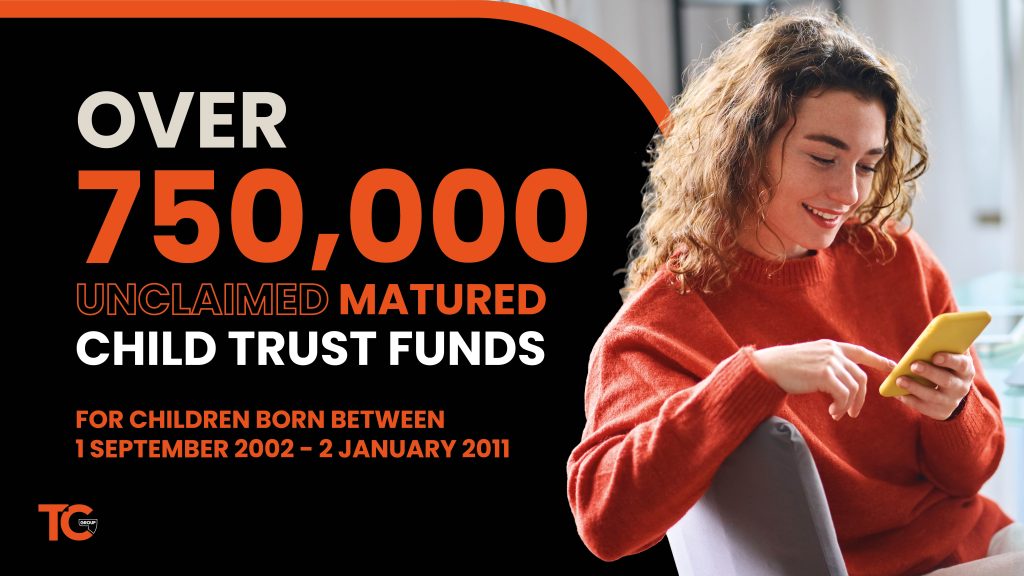
10 Oct 2025
Over 750,000 18 to 23-year-olds born between September 2002 to January 2011 have yet to claim their matured Child Trust Funds.
Learn more
Over 750,000 unclaimed matured Child Trust Funds
01 May 2025
There are key changes for APR and BPR from April 2026. This impacts the way you manage your estates and plan for Inheritance Tax (IHT).
Learn more
The Impact and Strategies for Agricultural and Business Property Relief Changes
13 Nov 2024
Life's full of major significant milestones – such as marriage, buying a home or preparing for retirement. These moments can be both exciting and financially challenging. That’s why financial planning is essential for navigating these changes with confidence.
Learn more
Financial Planning for Major Life Events