In our first blog, where we talked about Stage 1 of the Business Development Audit process, entitled Business Model, we identified three key principles:
Why do we do what we do?
Who do we want to provide our service or product to and why?
What is our formula for providing our services/what value does this give the client/does it stand out from competitors?
How can businesses reflect their identity and personality if they don’t have a business model to align their messaging to, and have a clear understanding of the challenges and opportunities their clients face.
That’s why the Business Development Audit begins with the definition of a Business Model.
In terms of business identity and personality, it’s important to have distinctiveness about your business – a striking logo or strap line that is easy to recognise is always valuable – but your brand is ‘what your clients say about you’. This information can be gathered through customer satisfaction surveys and regular interaction with clients.
There’s then the other important layer in this process; differentiation – what’s the value you give to clients?
The construction sector is highly competitive with many organisations providing the same kind of services – for example, there’s more than 5,000 architects practices in the UK, and roughly half are chartered. Some are positioned and recognised for doing stellar projects, whilst many occupy the space with lots of others where their market positioning can seem homogenous.
How do clients make an informed choice if organisations appear to be similar?
Badging-up as a ‘people business’, ‘the client’s choice’, ‘design led’ and other generic labels is following the herd, what you’re offering is a commodity instead of a differentiated service
I’ve witnessed at first hand that certain organisations are different/better than some of their competitors across a range of facets; the problem is, that those things are not communicated well in the language of ‘client benefit’.
The place to start, is to do some soul searching.
Are we different from competitors?
Why are we different – what’s the uniqueness?
What do we need to do to be different?
How do we communicate our differentiation to capture the attention of our chosen client base?
Will clients pay more for a differentiated service/business identity you may ask – I’ve spoken to clients recently who actively research prospective service providers; what is their messaging, what is different about them; what do they care about.
There’s so much information clients can gather about you in minutes from their phone – if the messaging is bland and uninformative, they’ll look elsewhere to businesses who talk their language and have the solutions to their problems. So, this stuff does matter!
Maintaining your identity and personality and ensuring it’s relevant and useful to clients is a constant process of refreshing and potential reinvention.
For example, you may introduce a new service line which is highly beneficial to your client, but it has a shelf life, where competitors catch up and replicate it.
Understanding the challenges and opportunities that your clients face, together with an understanding of their strategic plans, enables you to shape your identity and personality. Giving clients what you think they want, is not the same as giving them what they need based on intelligent insight.
Here at TC Group, we’ve developed a business development toolkit; part of which will help you to bring clarity to your identity and business personality.
If you’d like more information on our Business Development Audit Service and would like to take advantage of a free initial scoping call, please GET IN TOUCH
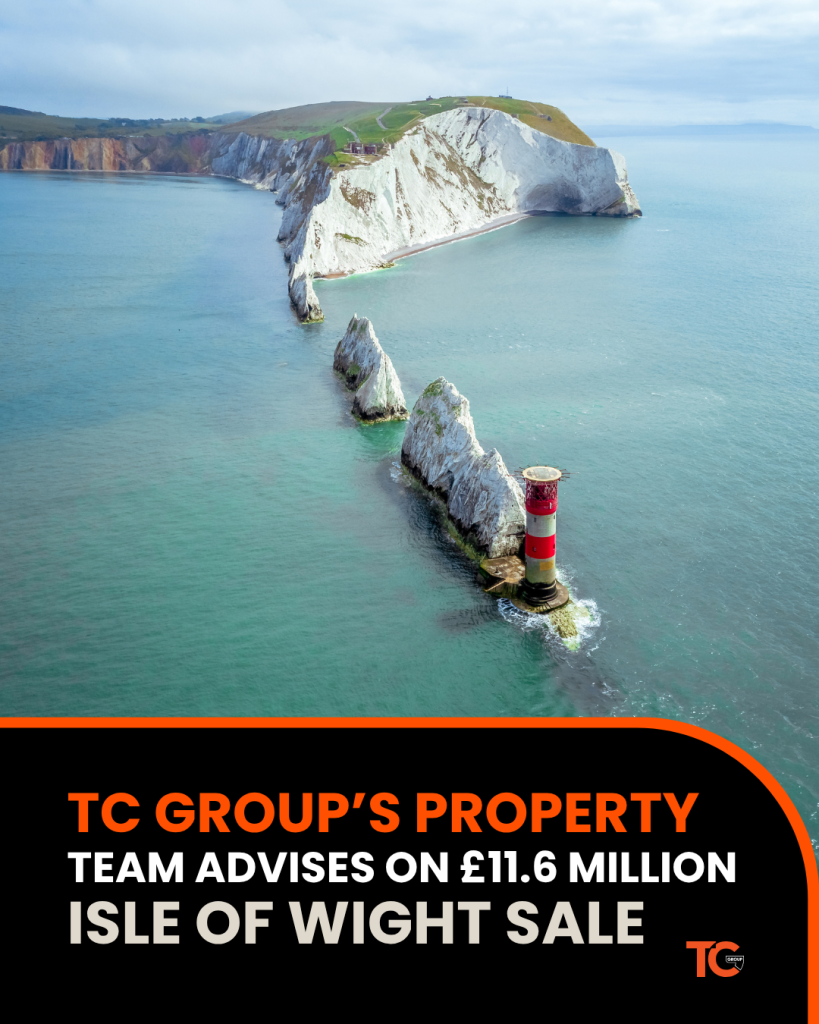
TC GROUP’S PROPERTY TEAM ADVISES ON £11.6 MILLION ISLE OF WIGHT PORTFOLIO SALE
TC Group's Property Team advises on the £11.6 million sale of a major Isle of Wight property portfolio, supporting a successful transaction for all parties.
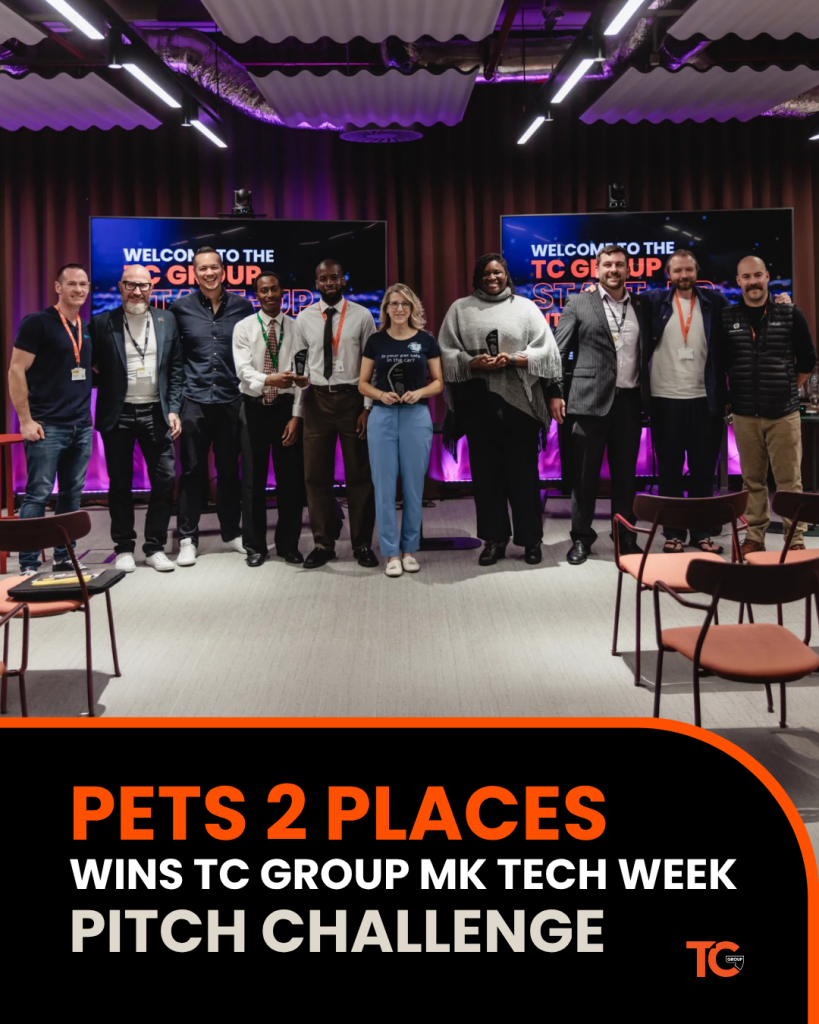
PETS 2 PLACES CROWNED WINNER OF TC GROUP’S START-UP PITCH CHALLENGE AT MK TECH WEEK
Pets 2 Places, founded by Claire Harris, has been crowned the overall winner of TC Group’s Next Big Thing: Start-Up Pitch Challenge, following a live final showcasing ambitious founders and innovators as part of Milton Keynes Tech Week 2026. Eight... Read more
TC GROUP MARKS STRATEGIC EXPANSION INTO NORTHERN IRELAND WITH GMCG MERGER
TC Group is delighted to announce its expansion into Northern Ireland through a merger with the highly respected accountancy firm GMcG. GMcG will continue to serve clients from its offices in Belfast, Lisburn and Portadown, maintaining its strong local presence... Read more