3 in 4 SME owners plan to work past retirement age
• 1 min read
Most leaders of small and medium-sized businesses plan to work past the age of 65, according to research.
A survey by Aldermore of 1,008 senior SME decision-makers revealed that 73% of business owners are planning to work past their state pension age.
Almost two-thirds (63%) of business owners would like to retire by 65, but only 37% think they will be able to. In fact, more than a third (35%) plan to work into their 70s, and 11% believe they will never be able to retire.
SME owners gave various reasons for working longer, with nearly half (48%) planning to do so because they enjoy their work.
However, the decision is based in necessity for many others, as 34% do not think they will have enough money to live comfortably otherwise.
Carl D’Ammassa, group managing director of business finance at Aldermore, said:
Planning for retirement is at the top of everyone’s agenda once they reach a certain age, and it is a time that can be fraught with difficulties and concerns.
Running your own business can mean long hours and SME owners deserve a relaxing and enjoyable retirement, but it is in their own hands to ensure this happens by planning as far in advance as possible.
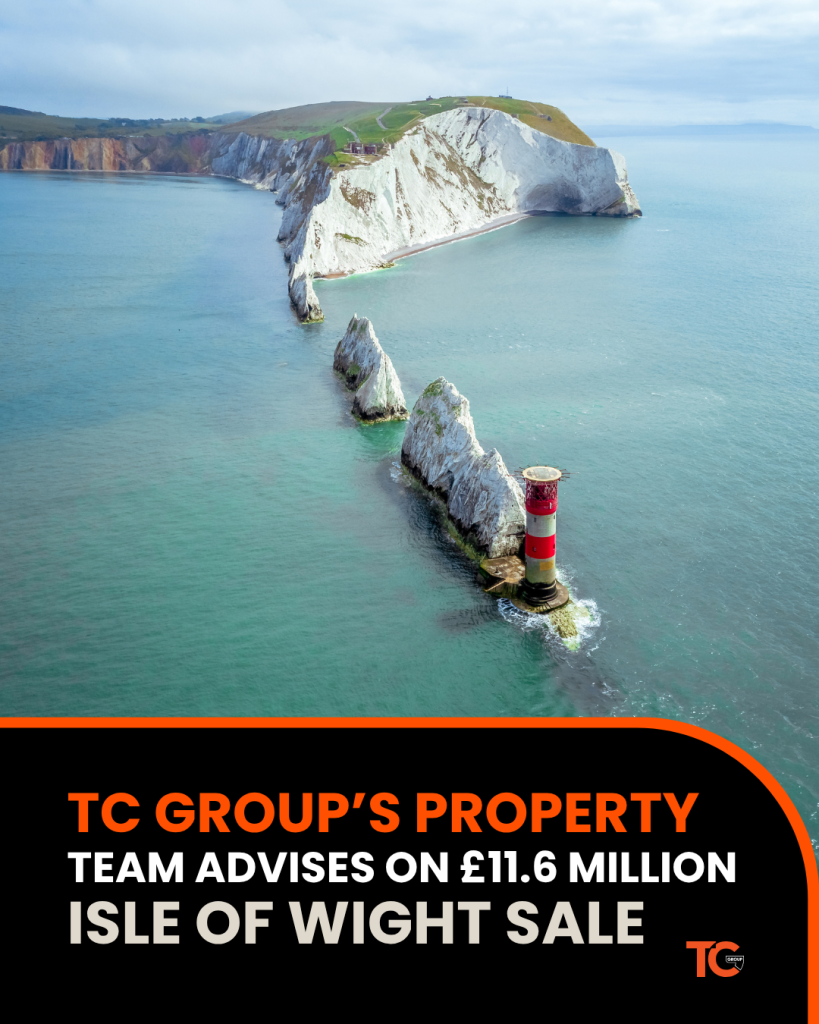
TC GROUP’S PROPERTY TEAM ADVISES ON £11.6 MILLION ISLE OF WIGHT PORTFOLIO SALE
TC Group's Property Team advises on the £11.6 million sale of a major Isle of Wight property portfolio, supporting a successful transaction for all parties.
PETS 2 PLACES CROWNED WINNER OF TC GROUP’S START-UP PITCH CHALLENGE AT MK TECH WEEK
Pets 2 Places, founded by Claire Harris, has been crowned the overall winner of TC Group’s Next Big Thing: Start-Up Pitch Challenge, following a live final showcasing ambitious founders and innovators as part of Milton Keynes Tech Week 2026. Eight... Read more
TC GROUP MARKS STRATEGIC EXPANSION INTO NORTHERN IRELAND WITH GMCG MERGER
TC Group is delighted to announce its expansion into Northern Ireland through a merger with the highly respected accountancy firm GMcG. GMcG will continue to serve clients from its offices in Belfast, Lisburn and Portadown, maintaining its strong local presence... Read more