In his Spring Budget on 3 March 2021, however, Chancellor Rishi Sunak revealed that this would be frozen until 5 April 2026 – along with a raft of other tax rates and thresholds. This will be bad news for some.
It stands to reason that this ‘stealth tax grab’ will affect more savers as time goes by, making it more important than ever to consider how best to utilise their pension tax allowances if they’re to save for their retirement in the most tax-efficient way.
Had the UK’s public finances not been ravaged by COVID-19 over the last year, the lifetime allowance would have increased in line with the Consumer Prices Index (CPI) rate of inflation from the previous September on 6 April 2021.
It would probably have continued to rise modestly every year, giving savers more room to continue to benefit from making tax-efficient pension contributions and investment growth.
The five-year freeze means, if you already have a sizable sum saved in your pension pot, you have an increased risk of exceeding the lifetime allowance and potentially facing a tax charge at some point in the future.
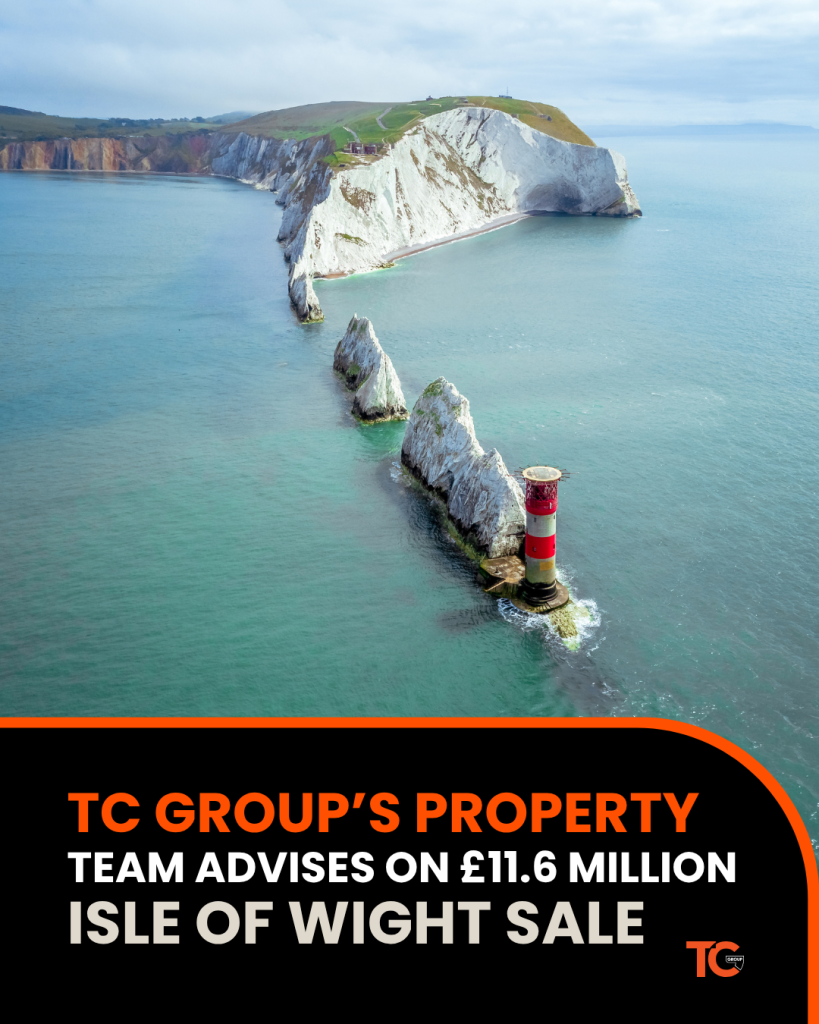
TC GROUP’S PROPERTY TEAM ADVISES ON £11.6 MILLION ISLE OF WIGHT PORTFOLIO SALE
TC Group's Property Team advises on the £11.6 million sale of a major Isle of Wight property portfolio, supporting a successful transaction for all parties.
PETS 2 PLACES CROWNED WINNER OF TC GROUP’S START-UP PITCH CHALLENGE AT MK TECH WEEK
Pets 2 Places, founded by Claire Harris, has been crowned the overall winner of TC Group’s Next Big Thing: Start-Up Pitch Challenge, following a live final showcasing ambitious founders and innovators as part of Milton Keynes Tech Week 2026. Eight... Read more
TC GROUP MARKS STRATEGIC EXPANSION INTO NORTHERN IRELAND WITH GMCG MERGER
TC Group is delighted to announce its expansion into Northern Ireland through a merger with the highly respected accountancy firm GMcG. GMcG will continue to serve clients from its offices in Belfast, Lisburn and Portadown, maintaining its strong local presence... Read more