Not much can stop determined entrepreneurs from building a new business from the ground up, even during such challenging times as a COVID-19 or its ensuing fallout.
The pandemic has proven a huge challenge for businesses, with 396,155 UK firms closing in 2020 according to the Office for National Statistics, as business owners struggled to cope with restrictions and lockdowns.
The Federation of Small Businesses expects that an additional 250,000 small businesses could fold by the end of 2021.
And yet, despite the challenges, 407,510 new businesses were formed during 2020. Matt Smith, director of policy and research at the Centre for Entrepreneurs, predicts a “record number of new businesses” will also emerge this year.
Businesses that were able to fit their goods and services to the current circumstances by moving their operations online or opening up delivery services, for instance, have been the ones to grow and flourish.
This will remain the case for entrepreneurs in the second half of 2021 and beyond, after restrictions and social distancing rules in England ended on 19 July 2021.
Meanwhile, with Government financial support still in place but tapering off, some entrepreneurs might in fact benefit from starting sooner rather than later.
Financial planning is about more than investments. Learn how business owners and professionals can gain clarity, build confidence and make better decisions about their future.
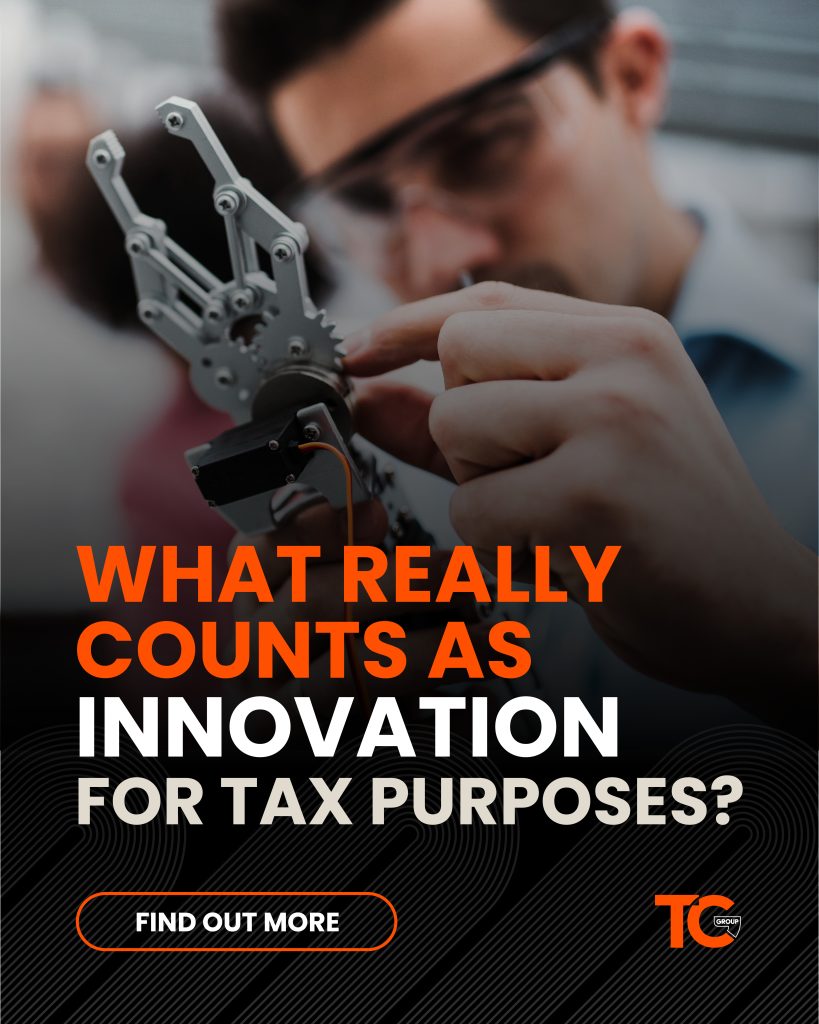
What really counts as innovation for tax purposes?
Many businesses dismiss their innovation as "just part of the day job". But for tax purposes, innovation often hides in everyday problem-solving and technical improvements. Discover what really qualifies as R&D.
Webinar: Building a Business That Doesn’t Depend on You
Could your business operate without you? Join our webinar in October to learn how to reduce owner dependence, strengthen leadership and build long-term business resilience.
UK statutory audit vs group reporting: what international groups need to know
For international groups, uncertainty around audit requirements can create unnecessary pressure, duplicated work and reporting delays. This article explains the difference between UK statutory audits and group reporting.