A new levy on large residential property developers’ profits intends to raise around £2 billion over the next 10 years, starting from next spring.
The ‘cladding tax’ will be a 4% tax on developers with company profits of £25 million or more from residential development, although student and build-to-rent developments are exempt.
It expects to raise around £200m a year, which will go towards the removal of flammable cladding from hundreds of thousands of high-rise flats around the UK.
The Treasury said the cladding tax will “ensure the largest developers make a fair contribution to help pay for building safety remediation”.
The new tax kicks in from 1 April 2022, nearly five years after a fire killed 72 people at Grenfell Tower in West London.
Removing the unsafe cladding from the highest-risk buildings is expected to cost at least £5bn, but campaigners claim the real cost is much higher.
Jonathan Hale, head of government affairs at the Royal Institute of Chartered Surveyors, said:
“The £5bn for cladding replacement will give more leaseholders greater peace of mind that their homes will be made safe, but it’s still well short of the £15bn needed that is estimated to fix every building.”
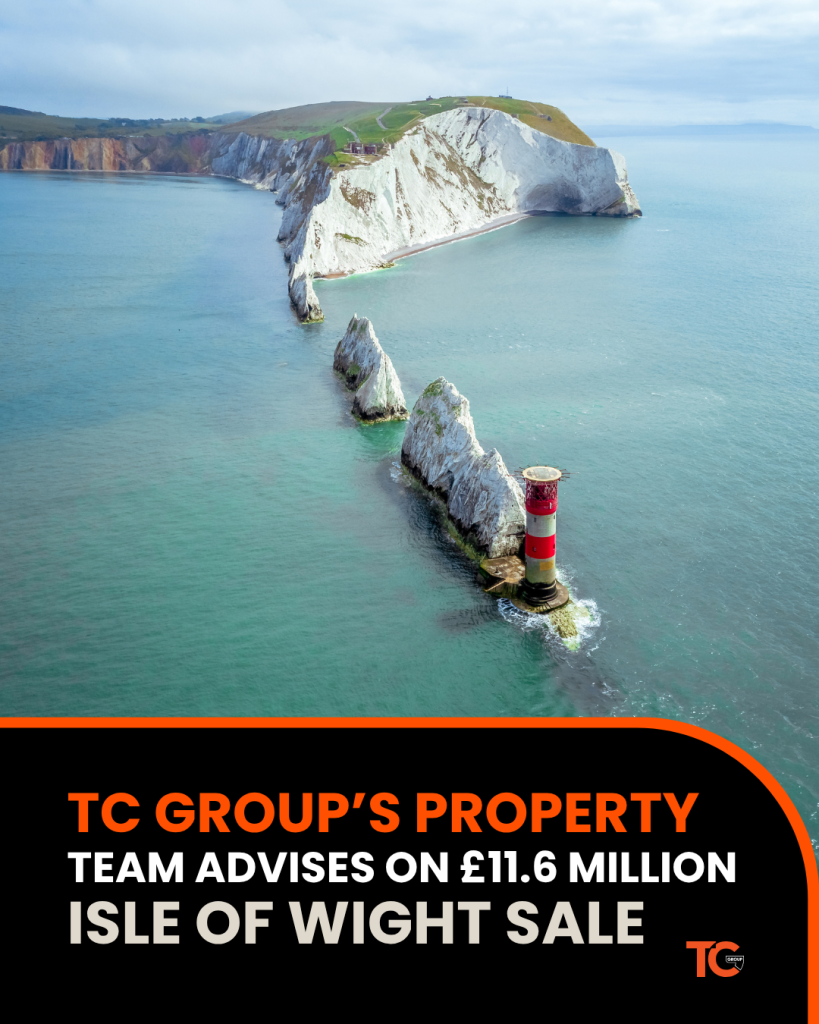
TC GROUP’S PROPERTY TEAM ADVISES ON £11.6 MILLION ISLE OF WIGHT PORTFOLIO SALE
TC Group's Property Team advises on the £11.6 million sale of a major Isle of Wight property portfolio, supporting a successful transaction for all parties.
PETS 2 PLACES CROWNED WINNER OF TC GROUP’S START-UP PITCH CHALLENGE AT MK TECH WEEK
Pets 2 Places, founded by Claire Harris, has been crowned the overall winner of TC Group’s Next Big Thing: Start-Up Pitch Challenge, following a live final showcasing ambitious founders and innovators as part of Milton Keynes Tech Week 2026. Eight... Read more
TC GROUP MARKS STRATEGIC EXPANSION INTO NORTHERN IRELAND WITH GMCG MERGER
TC Group is delighted to announce its expansion into Northern Ireland through a merger with the highly respected accountancy firm GMcG. GMcG will continue to serve clients from its offices in Belfast, Lisburn and Portadown, maintaining its strong local presence... Read more