Last week’s fiscal statement, the ‘mini-Budget’ that the Government insisted wasn’t, in fact, a Budget at all, came at 9:30am on Friday 23 September and brought with it some significant, unexpected and (in some cases) controversial measures.
Amid preceding uncertainty about if, when, or whether there’d even be a fiscal statement this month, recently appointed Chancellor Kwasi Kwarteng ushered in what he heralded as “a new era” for businesses and families across the United Kingdom.
If you were in any doubt that this wasn’t your typical Budget, or a Budget at all, look no further than the absence of an economic outlook report from the Office for Budget Responsibility (OBR).
The Chancellor emphasised that, in light of this, there would be a fuller package of announcements to come later in the autumn.
But the measures announced last week, he deemed, were actions that needed to be taken without delay to prevent further economic decline.
Financial planning is about more than investments. Learn how business owners and professionals can gain clarity, build confidence and make better decisions about their future.
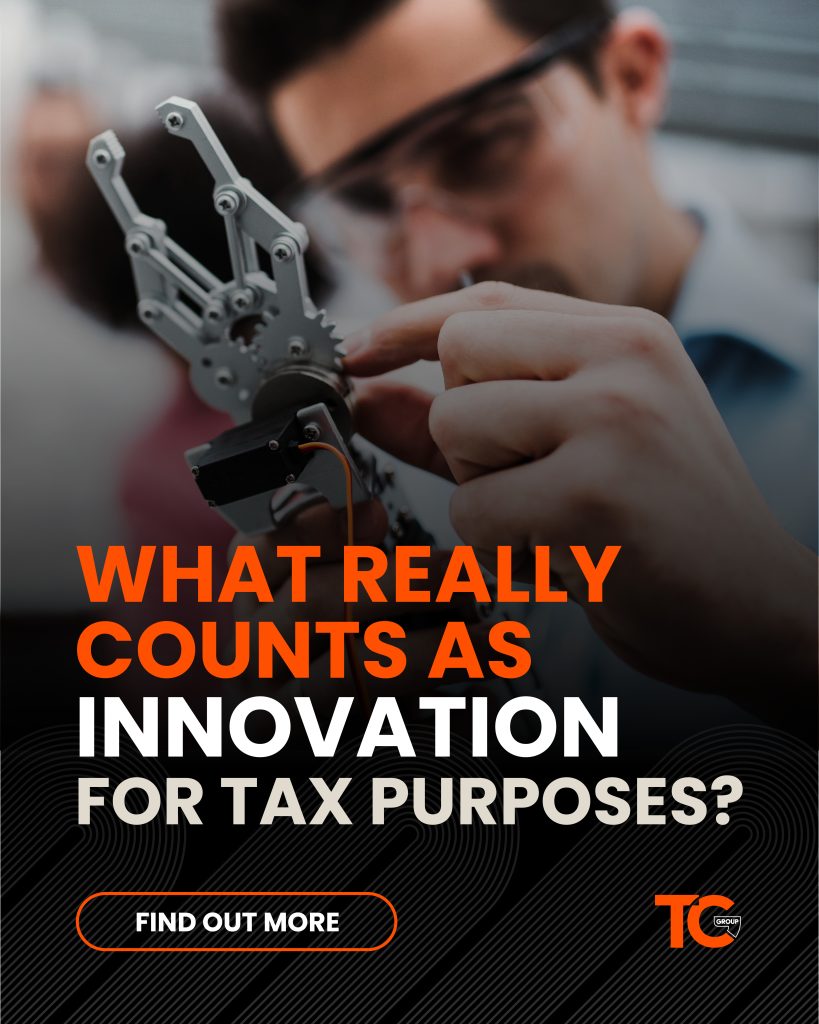
What really counts as innovation for tax purposes?
Many businesses dismiss their innovation as "just part of the day job". But for tax purposes, innovation often hides in everyday problem-solving and technical improvements. Discover what really qualifies as R&D.
Webinar: Building a Business That Doesn’t Depend on You
Could your business operate without you? Join our webinar in October to learn how to reduce owner dependence, strengthen leadership and build long-term business resilience.
UK statutory audit vs group reporting: what international groups need to know
For international groups, uncertainty around audit requirements can create unnecessary pressure, duplicated work and reporting delays. This article explains the difference between UK statutory audits and group reporting.