The majority of firms that use agency workers have maintained or increased their use in the last 5 years, according to research.
A survey by the Resolution Foundation of 500 firms found that 43% had increased their share of agency workers since 2012, and 46% had kept it the same. In comparison, only 9% decreased their use of agency workers during that time.
Construction firms were the most likely to have increased their agency worker share (56%). This was followed by wholesale, retail and motor trade businesses (51%), and administration, professional and real estate industries (47%).
Demand looks set to continue, as 55% expect their use of agency workers to stay the same over the next 5 years, and 25% plan to increase it.
However, recent estimates from the ONS suggest a decline in the agency workforce, which dropped by about 11,000 workers from 2016 to 2017.
Lindsay Judge, senior policy analyst at the Resolution Foundation, said:
Demand for agency workers grew significantly over the last 5 years – particularly among firms who use them as a core part of their business model and have become agency worker reliant.
But with the latest data suggesting the growth in agency workers has tailed off, such businesses may find that they have to rethink their plans.
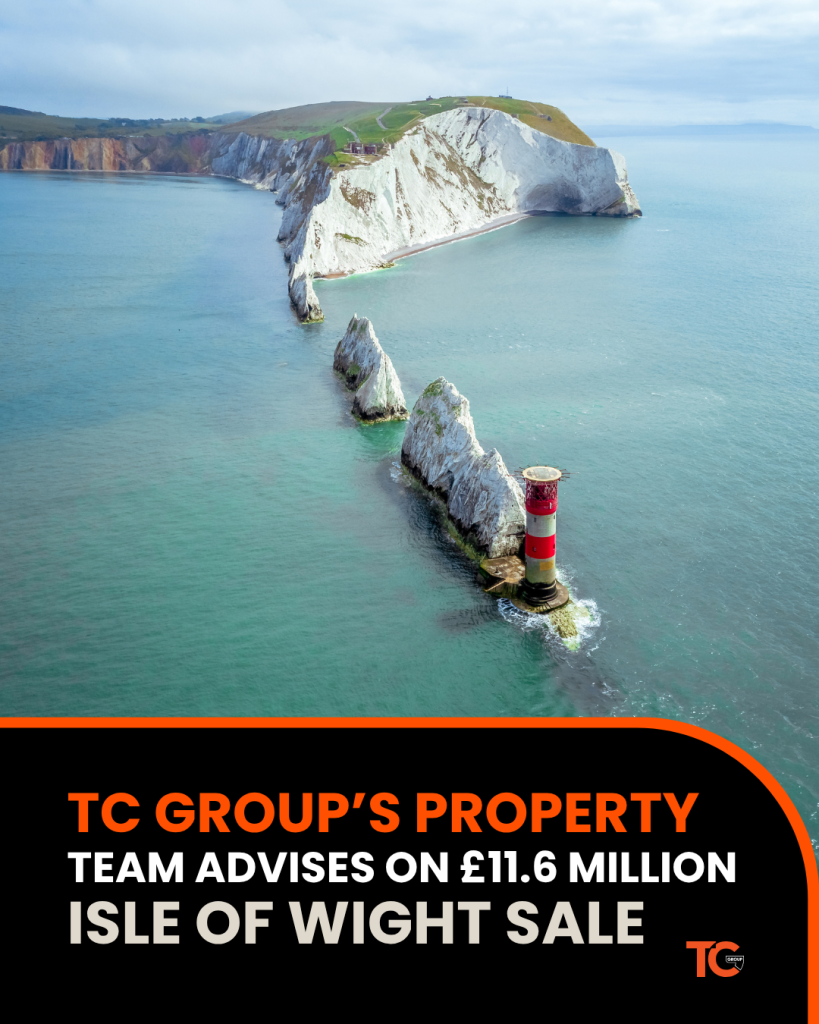
TC GROUP’S PROPERTY TEAM ADVISES ON £11.6 MILLION ISLE OF WIGHT PORTFOLIO SALE
TC Group's Property Team advises on the £11.6 million sale of a major Isle of Wight property portfolio, supporting a successful transaction for all parties.
PETS 2 PLACES CROWNED WINNER OF TC GROUP’S START-UP PITCH CHALLENGE AT MK TECH WEEK
Pets 2 Places, founded by Claire Harris, has been crowned the overall winner of TC Group’s Next Big Thing: Start-Up Pitch Challenge, following a live final showcasing ambitious founders and innovators as part of Milton Keynes Tech Week 2026. Eight... Read more
TC GROUP MARKS STRATEGIC EXPANSION INTO NORTHERN IRELAND WITH GMCG MERGER
TC Group is delighted to announce its expansion into Northern Ireland through a merger with the highly respected accountancy firm GMcG. GMcG will continue to serve clients from its offices in Belfast, Lisburn and Portadown, maintaining its strong local presence... Read more