Anyone who’s involved in operating a charity knows how it differs from running a business, both in terms of motives and objectives.
HMRC treats non-profit organisations and charities very differently to businesses, offering some unique tax breaks in the process.
If a charity is recognised by the tax authority, it will benefit from certain tax reliefs as long as the funds raised are used for charitable purposes.
Charities usually pay tax when they receive income that doesn’t qualify for tax relief, or if any income has been spent on non-charitable purposes.
With unique tax breaks come unique challenges, many of which have been exacerbated by the pandemic, especially in the case of smaller charities.
The public’s generosity has been directed largely towards the UK’s major charities, including the NHS, leaving many others facing financial ruin.
There’s a reputational issue, too. More than other sectors, charities depend on public trust, and are expected to be ultra-transparent.
It only takes one example of fraud or financial mismanagement
for faith in the concept of supporting the charity to be dented.
TC GROUP’S PROPERTY TEAM ADVISES ON £11.6 MILLION ISLE OF WIGHT PORTFOLIO SALE
TC Group's Property Team advises on the £11.6 million sale of a major Isle of Wight property portfolio, supporting a successful transaction for all parties.
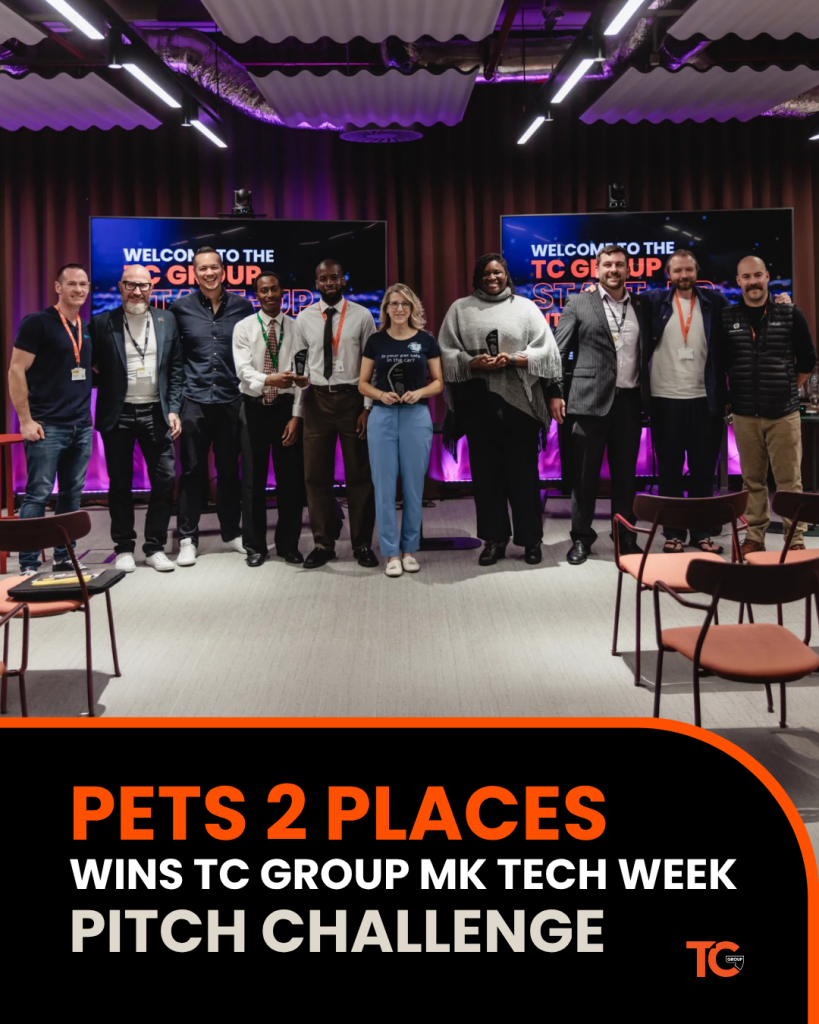
PETS 2 PLACES CROWNED WINNER OF TC GROUP’S START-UP PITCH CHALLENGE AT MK TECH WEEK
Pets 2 Places, founded by Claire Harris, has been crowned the overall winner of TC Group’s Next Big Thing: Start-Up Pitch Challenge, following a live final showcasing ambitious founders and innovators as part of Milton Keynes Tech Week 2026. Eight... Read more
TC GROUP MARKS STRATEGIC EXPANSION INTO NORTHERN IRELAND WITH GMCG MERGER
TC Group is delighted to announce its expansion into Northern Ireland through a merger with the highly respected accountancy firm GMcG. GMcG will continue to serve clients from its offices in Belfast, Lisburn and Portadown, maintaining its strong local presence... Read more